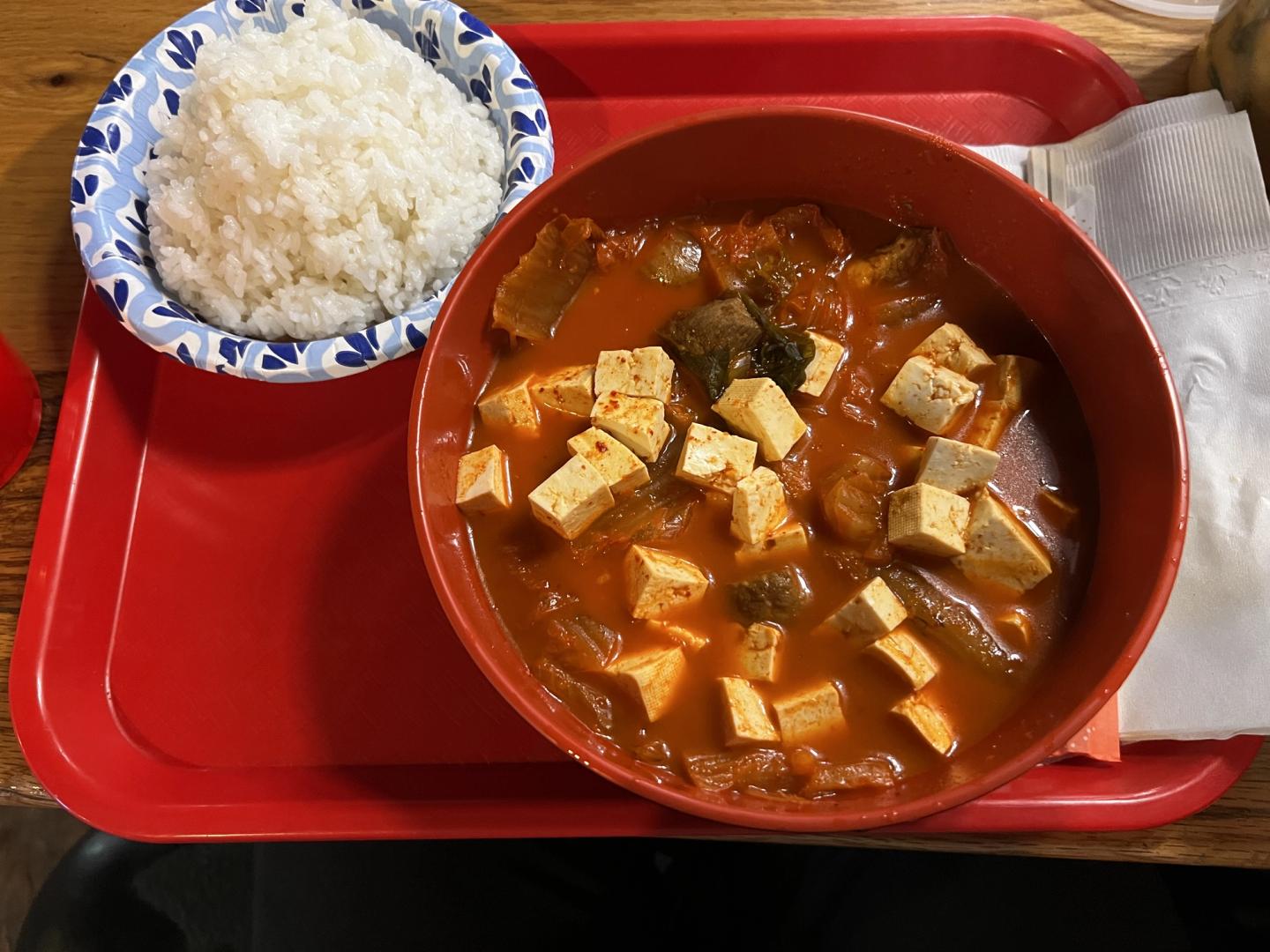
I visited the Media Archaeology Lab in Boulder, an archive dedicated to obsolete technology.

As I get ready to leave Colorado, I’ve been making a point to visit the places that I have yet to cross off my list. One of those places is the Media Archaeology Lab (MAL) in Boulder, which I went to with Mags and Celi.
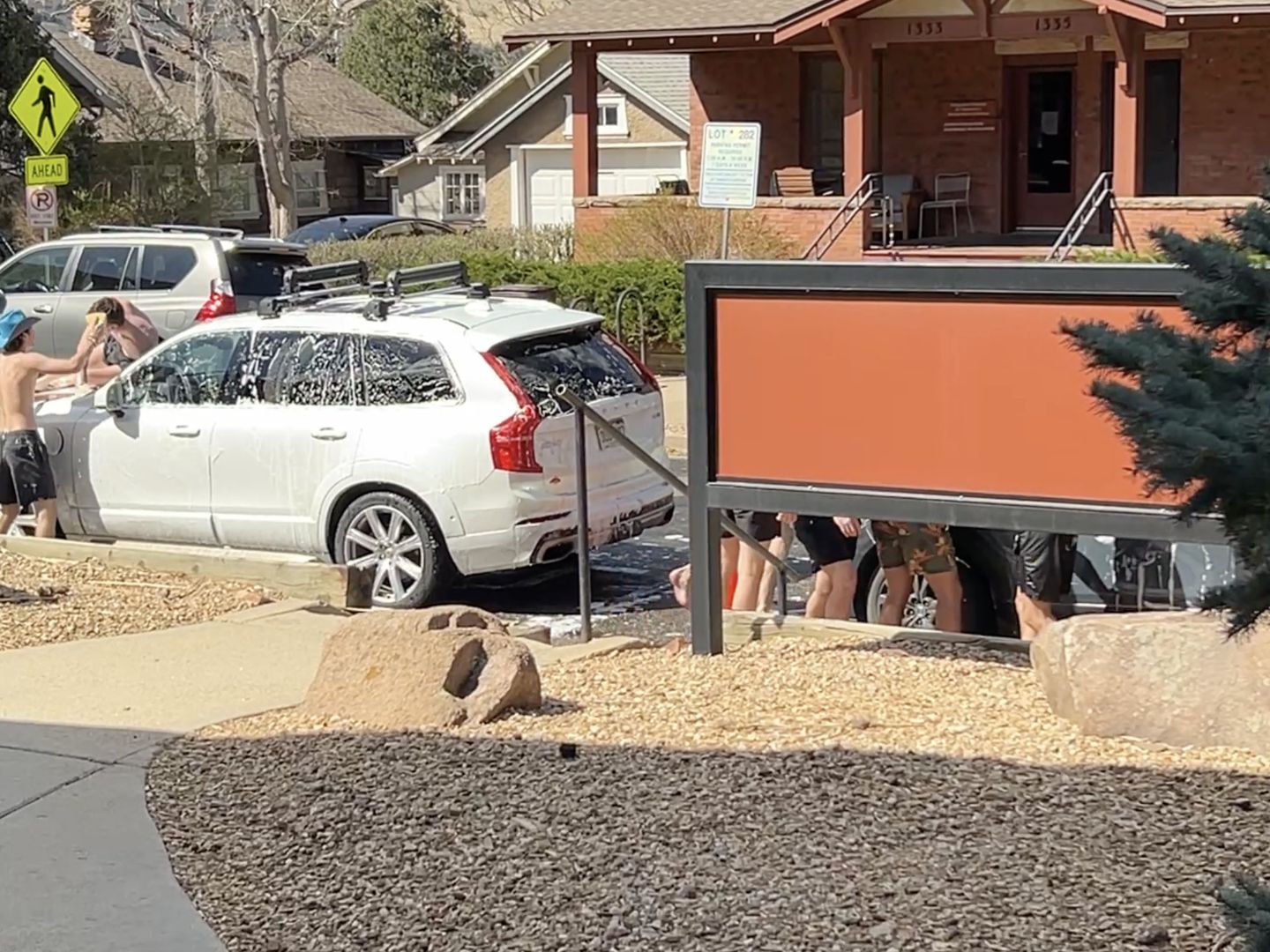
Mags and I met up with Celi on a sunny April afternoon, and on the drive over we had the windows down because the A/C in the truck wasn’t working properly. By the time we arrived from Golden, my allergies were beyond horrible. To add insult to injury, I didn’t realize the lab is in a dusty basement of a residential house that CU Boulder acquired, and by the time we walked in, I could barely breathe. Next door, there was a frat house doing a shirtless car wash.
The Media Archaeology Lab (MAL), directed by Lori Emerson, focuses on preserving and providing access to alternative histories of media and technology. I first came across it through a book written by Lori that my friend recommended I purchase, called Other Networks: A Radical Technology Sourcebook, a catalog of historical and speculative communication systems over the course of human history. The book, as well as the lab’s website, are both beautifully organized and documented.
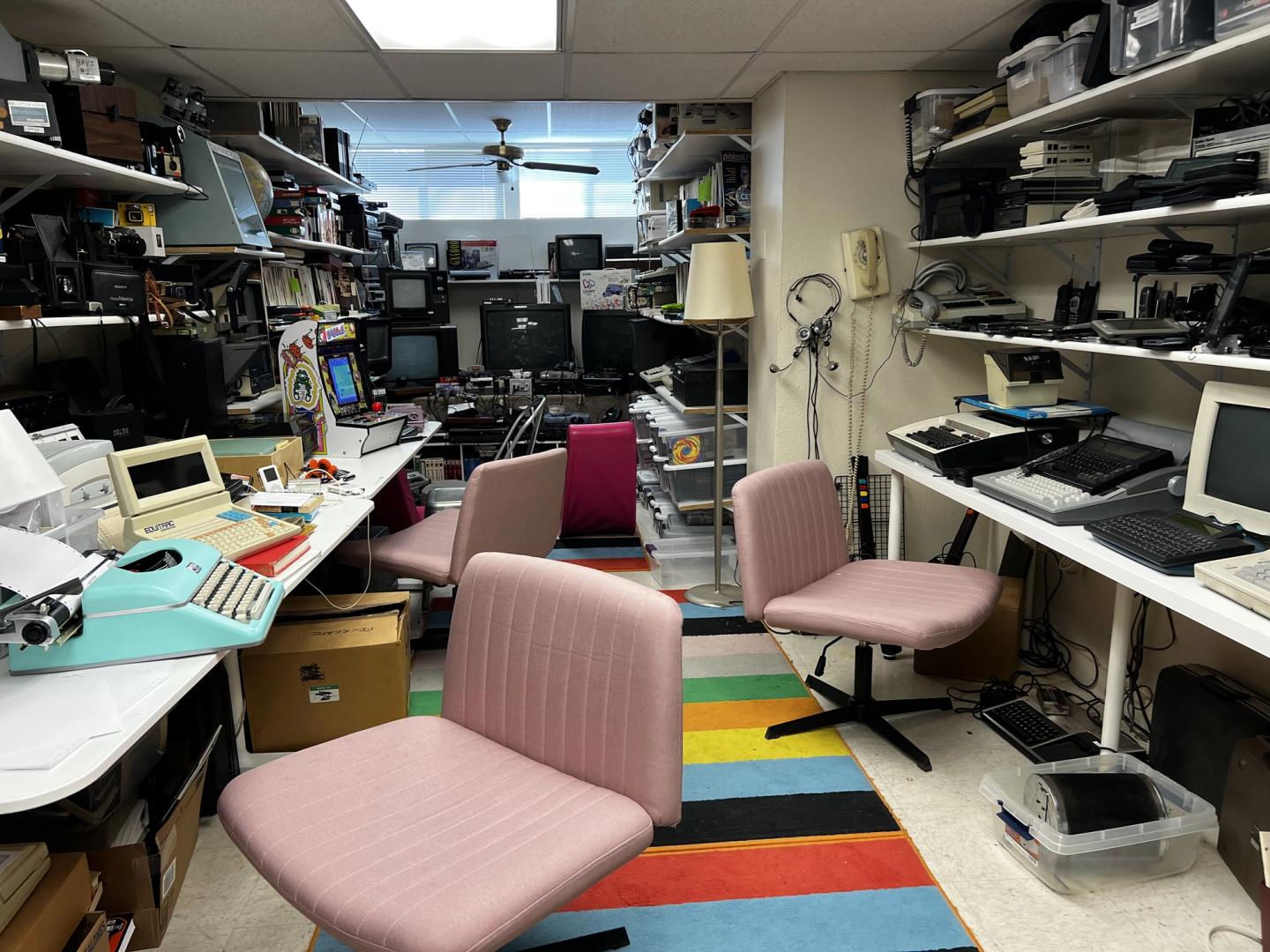
front room
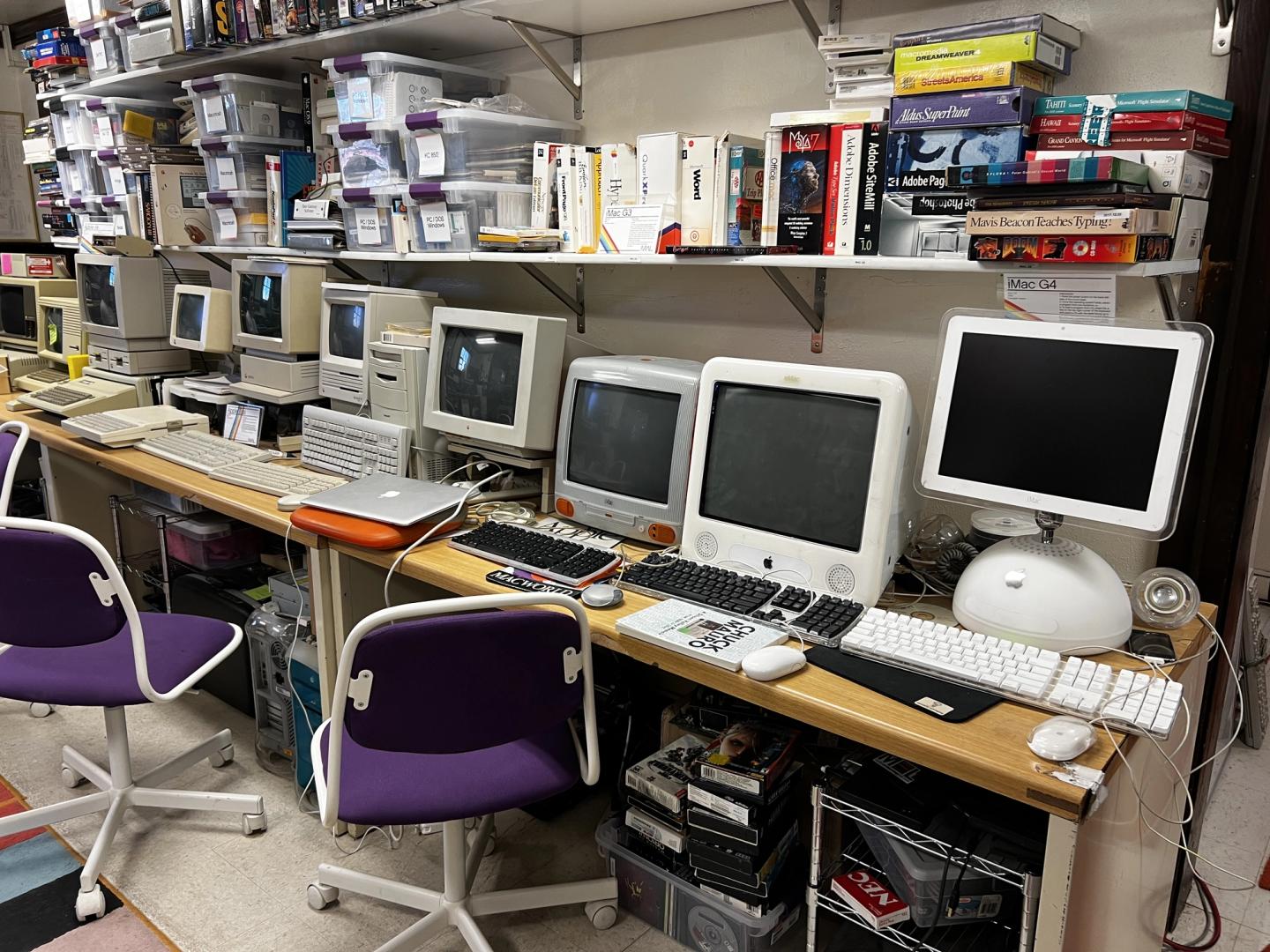
back room
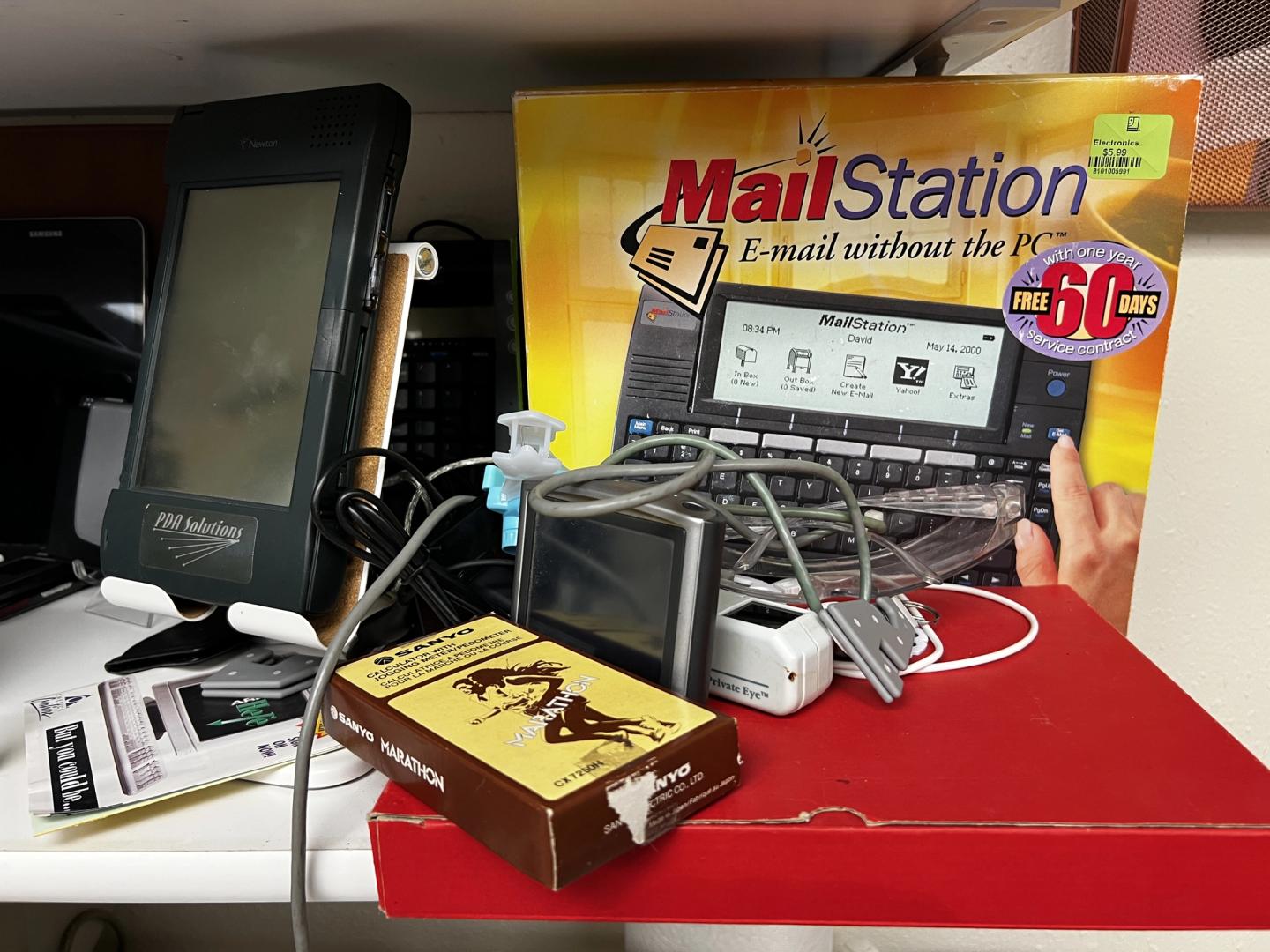
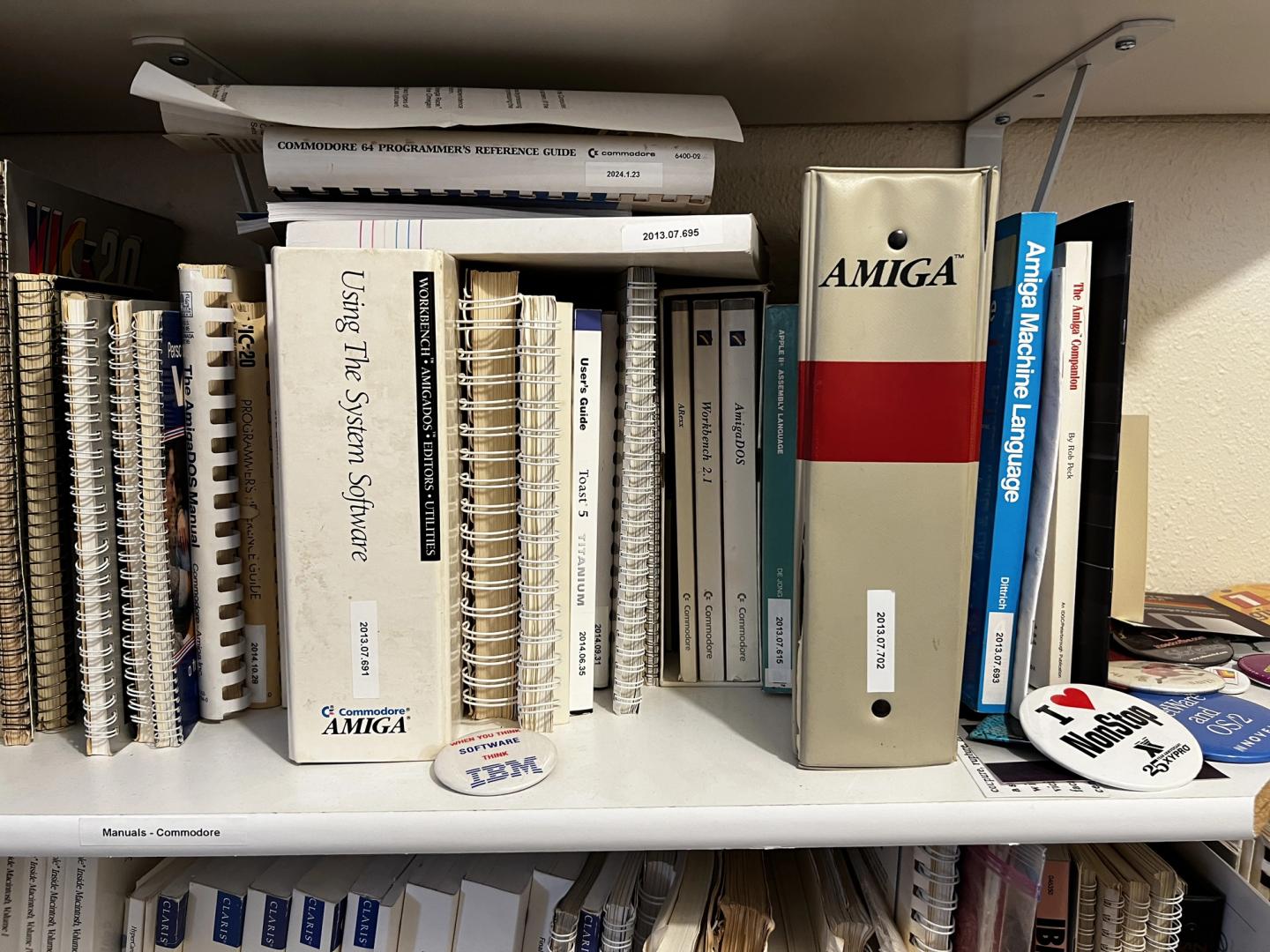
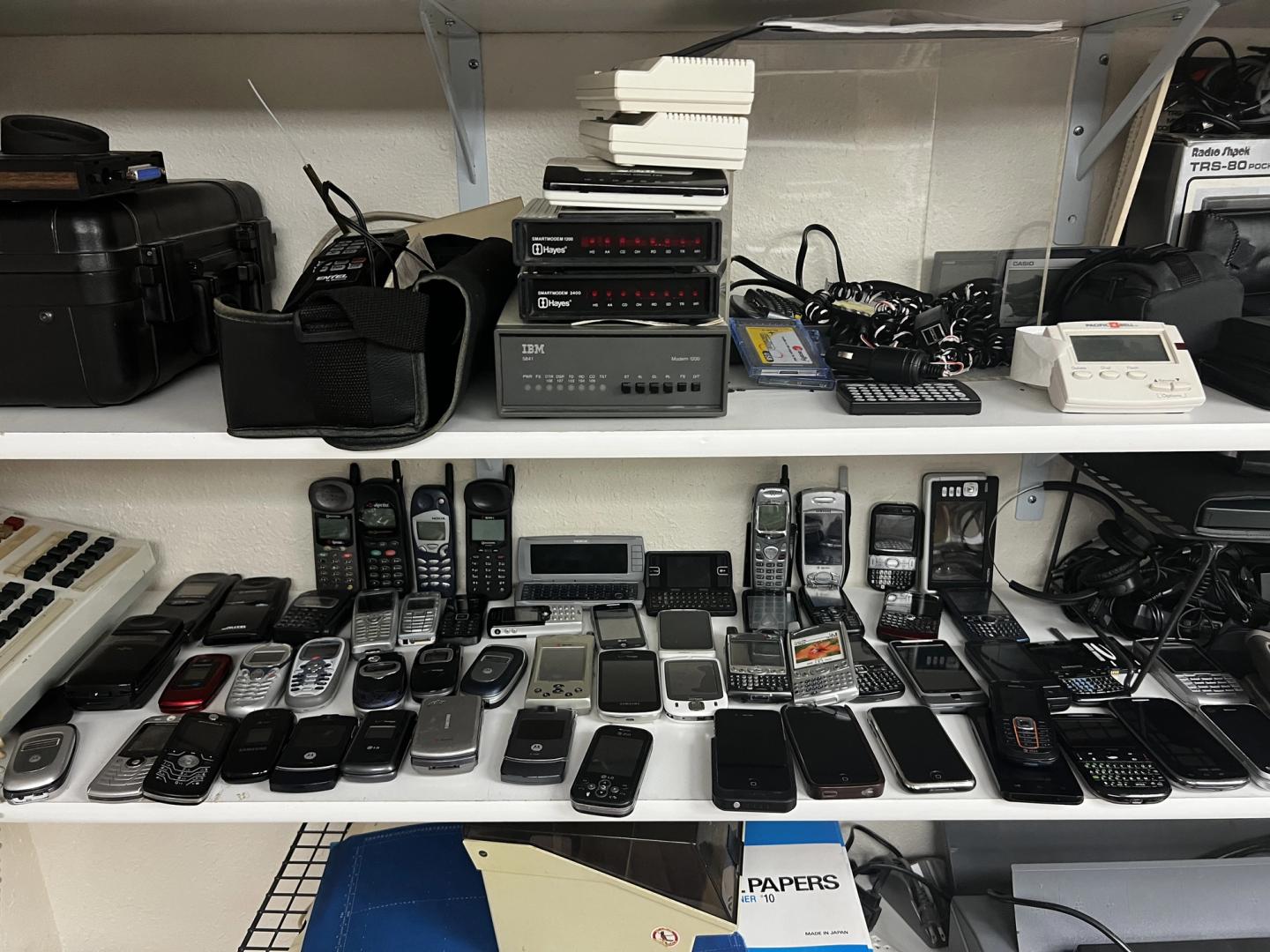
To be honest, I hadn’t done much research on the lab itself and mostly had just been told that I would love it, which I did, but going in I expected something closer to a traditional archive. The space felt more informal, densely packed, and loosely organized. At the same time, it was clear that everything there had been intentionally kept and preserved, even if it wasn’t to strict institutional standards.
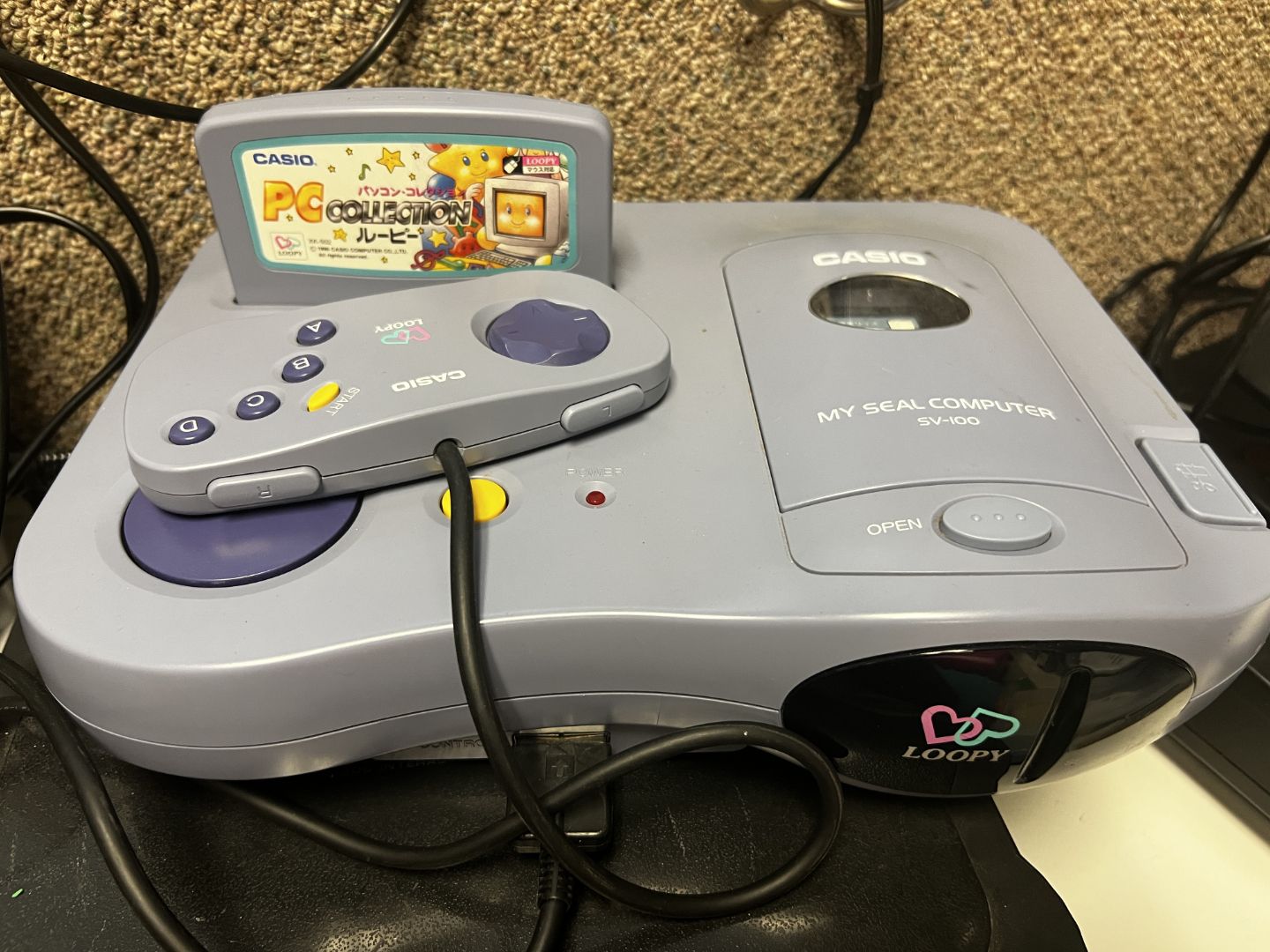
One item I was really excited to see was the Casio Loopy, a Japan-only console from the mid 90s, marketed towards girls with a built-in color thermal printer for screenshots. It was set up, but the CRT TV it was connected to wasn’t working properly, so it was hard to see it in use and the printer was out of paper. There were a number of setups like that; available, but not always fully functional. My understanding after being there longer and doing some further reading is that it is more about making the technology accessible, which I think is just as, if not more, important than simply documenting it.
After leaving the lab, we were reminded of the frat boy car wash, and we ended up at the Hilltop Food Court. I used to go there often with my mom when I lived in Boulder as a kid. It felt like a quieter contrast to the day, moving from a space of technological archive and ending at a place from my personal archive.